April 20, 2026
Sliding doors have become a defining feature in modern homes, blending sleek design with practical functionality. Once considered a niche alternative to traditional doors, they have evolved into a highly sought-after solution for homeowners looking to maximize space, enhance natural light, and create seamless indoor-outdoor living experiences. With advancements in materials, energy efficiency, and smart technology, sliding doors now offer far more than convenience—they represent a shift toward contemporary, efficient, and visually appealing home design. As their popularity continues to grow, it’s clear that sliding doors are more than a trend—they’re a long-term investment in both style and performance.
1. The Rise of Sliding Doors in the U.S. Market
Sliding doors have gradually gained traction in the U.S. market, rooted in a historical context where traditional doors once dominated. Originally introduced as a space-saving solution, their aesthetic appeal and functionality quickly garnered consumer interest. Over the decades, sliding doors evolved, enabling innovative incorporation in homes and commercial establishments alike. The historical shift towards modernity in architecture paved the way for sliding doors, which began as a niche choice but grew into a mainstream option. Today's sliding door models reflect a culmination of years of development, meeting diverse user needs.
Recent market trends indicate an unyielding affection for sliding doors, as shown by their rising market share. According to a study on sliding doors by Market.us, in 2024, sliding doors represented 45.5% of the automatic door type segment in the U.S. This statistic underscores their dominance and suggests a future growth trajectory as the market for automatic doors continues to expand. Innovations in design and technology, combined with conscious consumer preferences, push this trend further. This reliance on modern, efficient solutions is a testament to sliding doors' lasting appeal.
Numerous factors drive the popularity of sliding doors, particularly their ability to merge practicality with style. As urban areas expand, the need for space-efficient solutions becomes paramount. Sliding doors meet these demands by facilitating seamless transitions between spaces without the need for swinging space. Compared to other automatic doors, such as revolving or traditional hinged doors, sliding doors offer versatility and aesthetic integration, making them a preferred choice. The high adoption rate is significant as it aligns with the consumer’s growing enthusiasm for modern, sleek living spaces over more conventional designs.
2. Key Features of Sliding Doors
The design aesthetics of sliding doors are undeniably a major attraction, offering elegance that complements modern architectures. Their simple lines and unintrusive operation can make spaces appear larger and more interconnected. With expansive glass panels, sliding doors facilitate an unobstructed view of exteriors, making them ideal for homes with beautiful surroundings. These doors can blend seamlessly with varied aesthetics, from ultra-modern to rustic chic, adapting entirely to homeowners’ design visions. Additionally, their availability in a range of styles, such as single, double, or barn door formats, makes them a flexible choice for different design requirements.
Material versatility is another notable feature of sliding doors, playing a crucial role in their widespread appeal. Whether it's glass, timber, metal, or polyvinyl chloride (PVC), consumers can choose from a range of materials based on their preferences and needs. This versatility ensures that the doors provide the right balance of durability, thermal efficiency, and aesthetics. High-quality materials not only ensure longevity but also offer enhanced insulation properties, contributing to energy efficiency. The capability to combine various materials also allows for custom designs, offering a tailored finish that resonates with individual tastes.
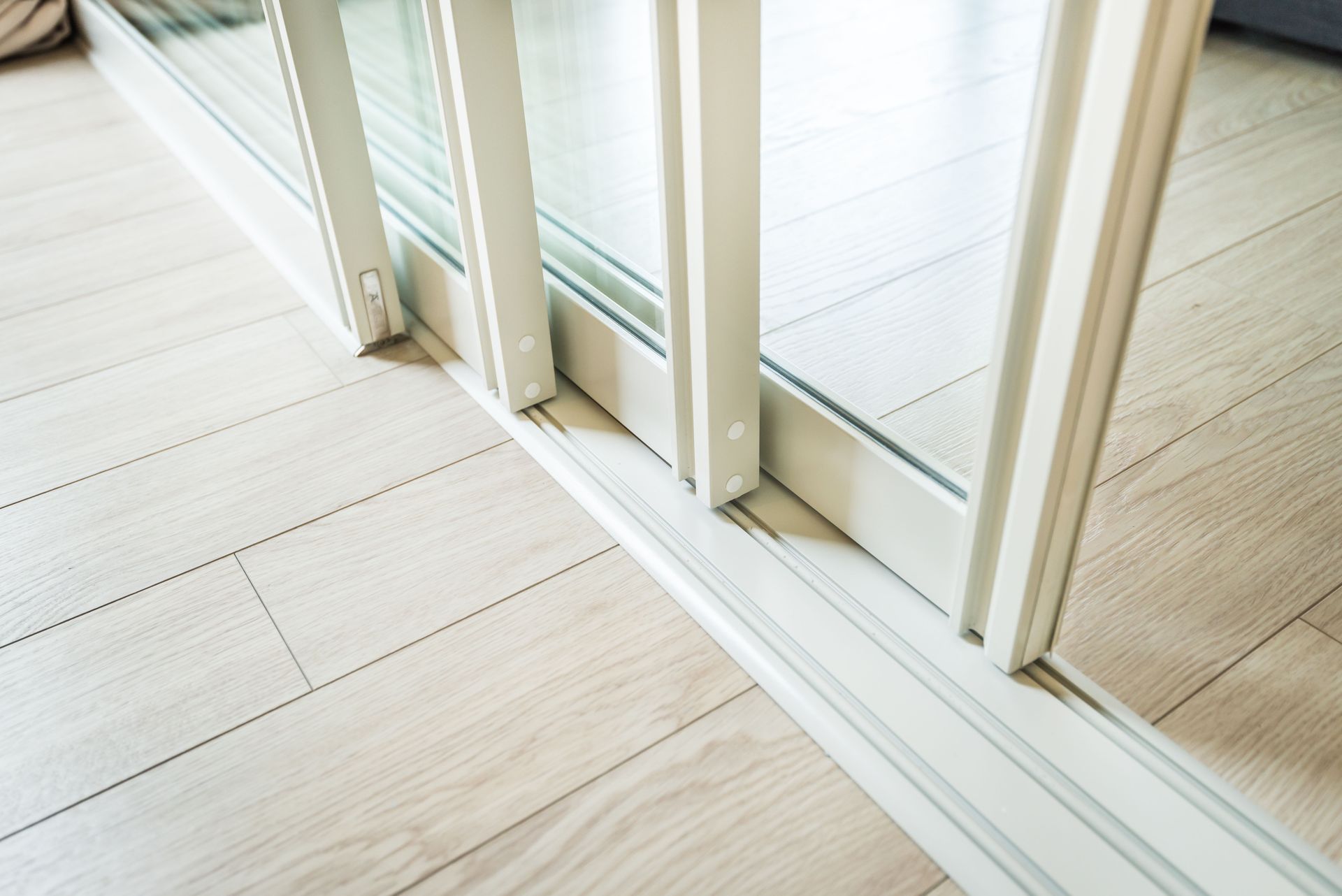
Space efficiency is often considered one of the primary advantages of sliding doors, as they require no clearance to open or close. This feature makes them particularly beneficial in smaller living spaces or areas requiring unobstructed movement. The sliding mechanism ensures that no additional floor space is needed, allowing uninterrupted internal decor and furniture layout. Technology in sliding door mechanisms has also advanced, with options such as soft-close features and motorized operation enhancing user experience. Such innovations have elevated the sliding door from a simple passage feature to an integral part of home automation solutions.
3. Advantages of Sliding Doors in Modern Homes
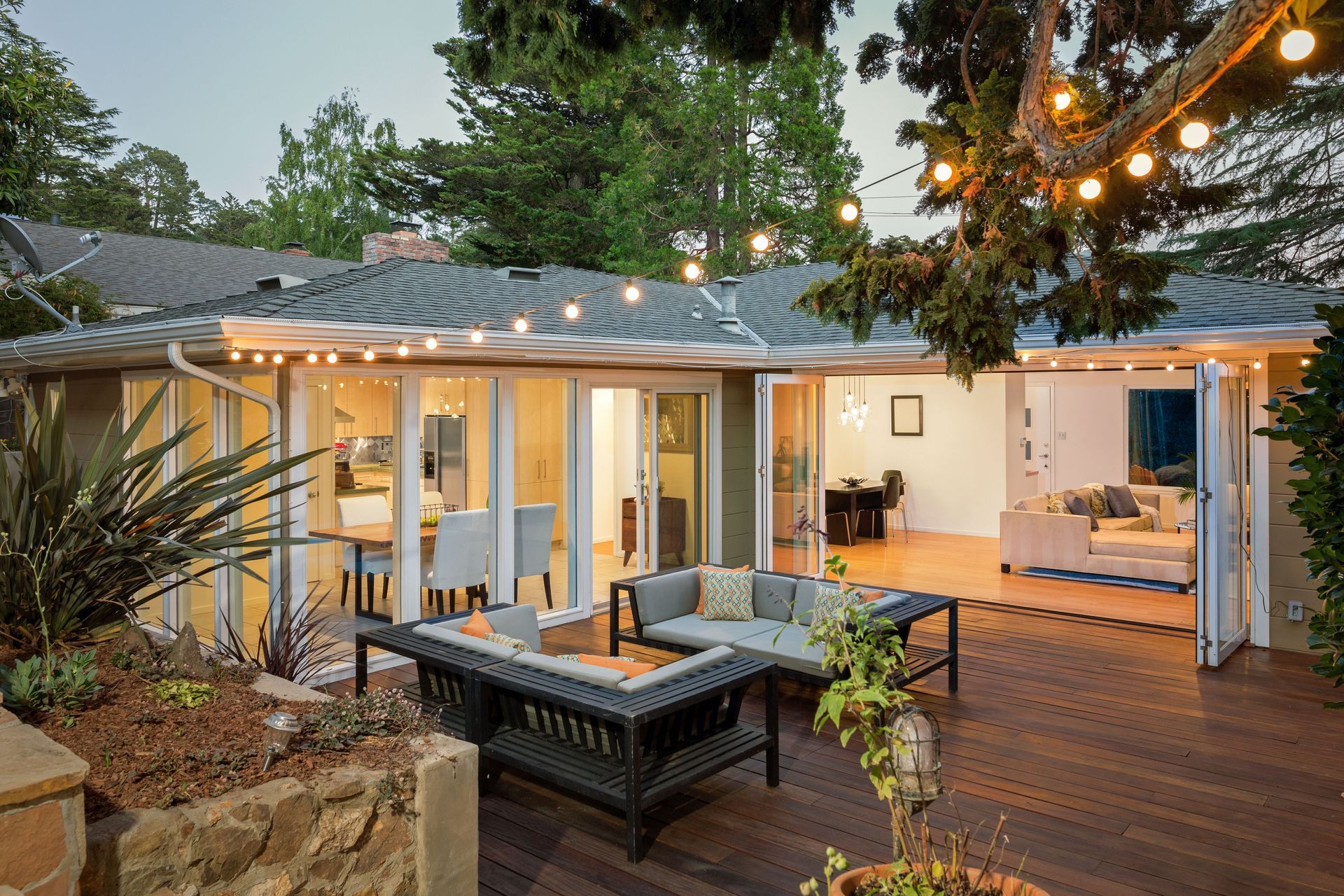
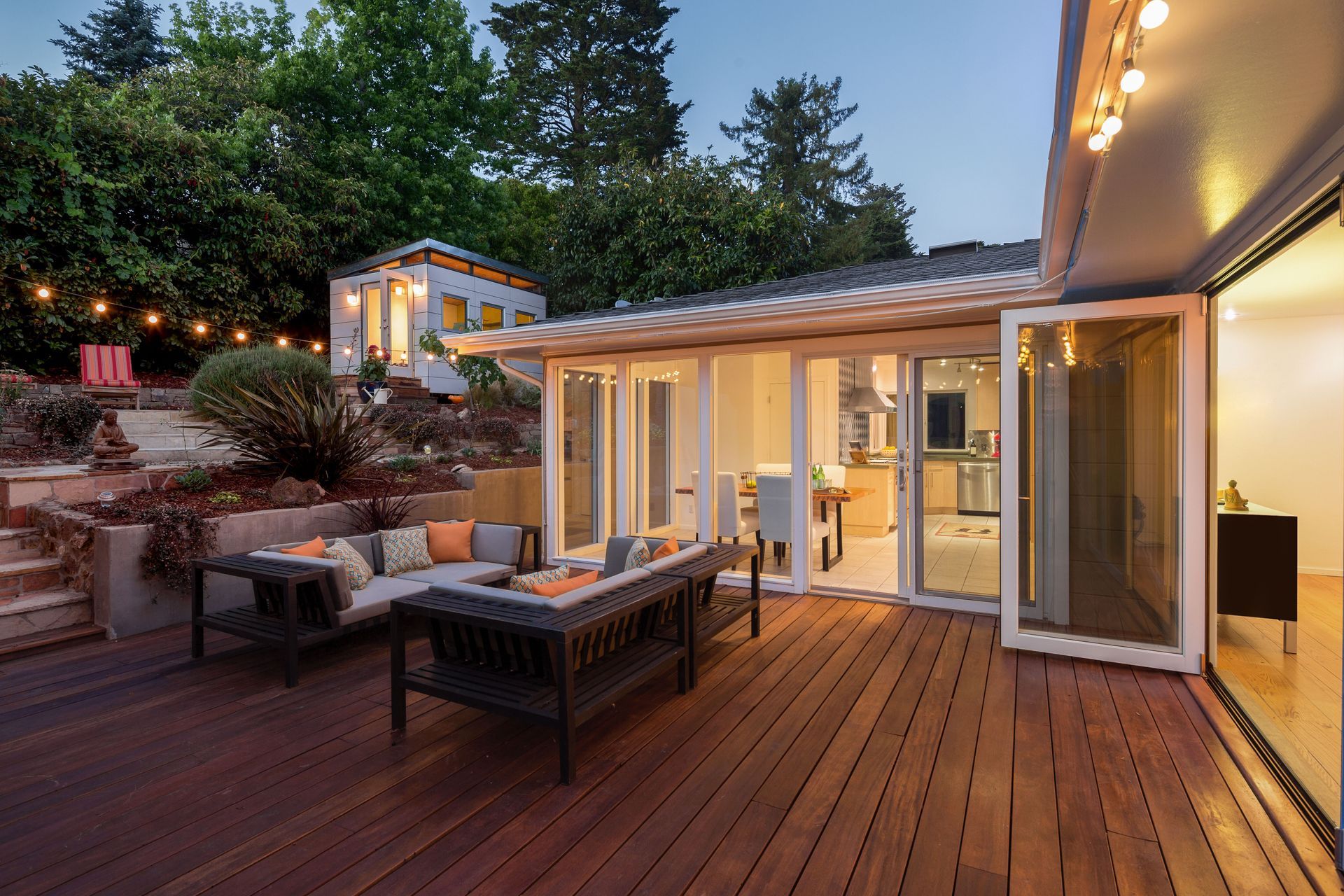
A seamless indoor-outdoor transition is a celebrated aspect of sliding doors, forging a harmonious connection between the living space and natural surroundings. By allowing wide openings, these doors enable homeowners to easily step from inside to balconies, patios, or gardens. This fluid movement not only enhances convenience but also encourages outdoor leisure activities. As urban living spaces aim to blend with nature, sliding doors offer an appealing solution that visually and physically opens up interiors to the outside world. Additionally, during social gatherings or family events, these doors can be left open, effectively expanding the entertainment space.
From an energy efficiency standpoint, sliding doors play a crucial role in reducing energy consumption. Advanced insulating techniques, such as double-glazed panels and weather stripping, minimize thermal loss, making homes more energy-efficient. This aspect is particularly relevant in diverse climates where temperature regulation is necessary. Furthermore, certain sliding door designs incorporate Low-E glass, which enhances insulation without compromising on transparency or aesthetics. This thoughtful integration makes sliding doors an ideal choice for eco-conscious homeowners aiming to reduce their carbon footprint.
4. Sliding Doors and Home Aesthetics
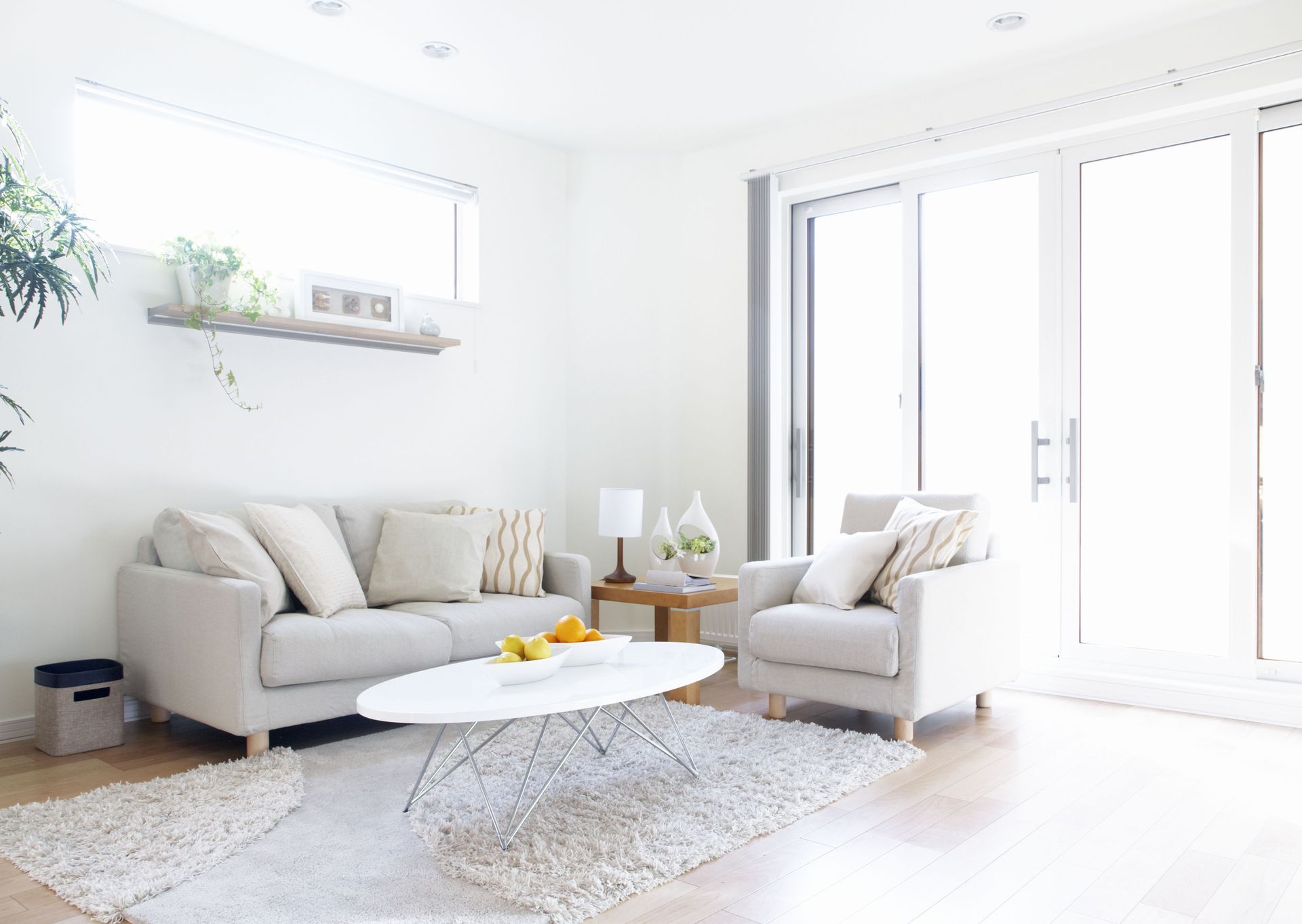
Sliding doors complement minimalist interior design by offering clean lines and unobtrusive profiles. Their simplicity aligns well with the minimalist principle of \"less is more,\" enhancing spaces without overwhelming them. By prioritizing functionality over embellishment, minimalist designs often use sliding doors to create open, uncluttered environments. Their smooth operation and hidden mechanisms further amplify the minimalist appeal. As modern homeowners gravitate towards such understated but classy options, sliding doors affirm their standing as a staple in progressive home design.
The integration of sliding doors with contemporary architecture is another reason for their widespread adoption. Architecturally, they offer flexibility in design, accommodating open-plan living areas and modern layouts with ease. These doors not only fit seamlessly into modern builds but also resonate with architectural movements that prioritize openness and fluidity. Additionally, architects frequently choose sliding doors for their ability to marry the exterior with the interior, crafting spaces that embrace light and movement. In Japan, for instance, the traditional shoji doors embody the balance between contemporary innovation and time-honored design.
5. Environmental Impact and Sustainability
Sliding doors hold potential in sustainability through the use of environmentally friendly materials. Many modern sliding doors are crafted from recycled or sustainable resources, such as reclaimed wood or recyclable aluminum. This not only reduces environmental impact but also aligns with the growing consumer preference for sustainable building practices. More companies are investing in green manufacturing and sourcing, ensuring their products contribute to a more sustainable future. Furthermore, options like bamboo-clad sliding doors combine modern aesthetics with eco-friendly practices, broadening the scope for sustainable choices.
Energy conservation remains a significant advantage of sliding doors, especially when designed to maximize thermal efficiency. By employing cutting-edge technology, such as low-emissivity glazing and thermal breaks, these doors help in maintaining interior temperatures. This reduces the need for artificial heating and cooling, ultimately lowering energy consumption. With the regulatory emphasis on energy-efficient building practices, sliding doors provide an accessible method to comply with these standards.
Don’t miss the opportunity to upgrade your space—explore your sliding door options today and discover how the right design can transform your home. With expert guidance and the right materials, you can create a stylish, efficient living space that meets your needs for years to come. Contact Phoenix Folding Door Co to learn more!