February 3, 2026
Sliding doors have become a popular architectural choice for both residential and commercial spaces. Their unique design not only adds aesthetic value but also enhances functionality in various ways. This article explores how sliding doors improve light, space, and access, making them a versatile addition to any building environment. Whether you are looking to modernize your home or increase the efficiency of your office, sliding doors present a myriad of opportunities. Let us delve into the different ways sliding doors can transform your space.
Enhancing Natural Light
Maximizing Daylight Entry
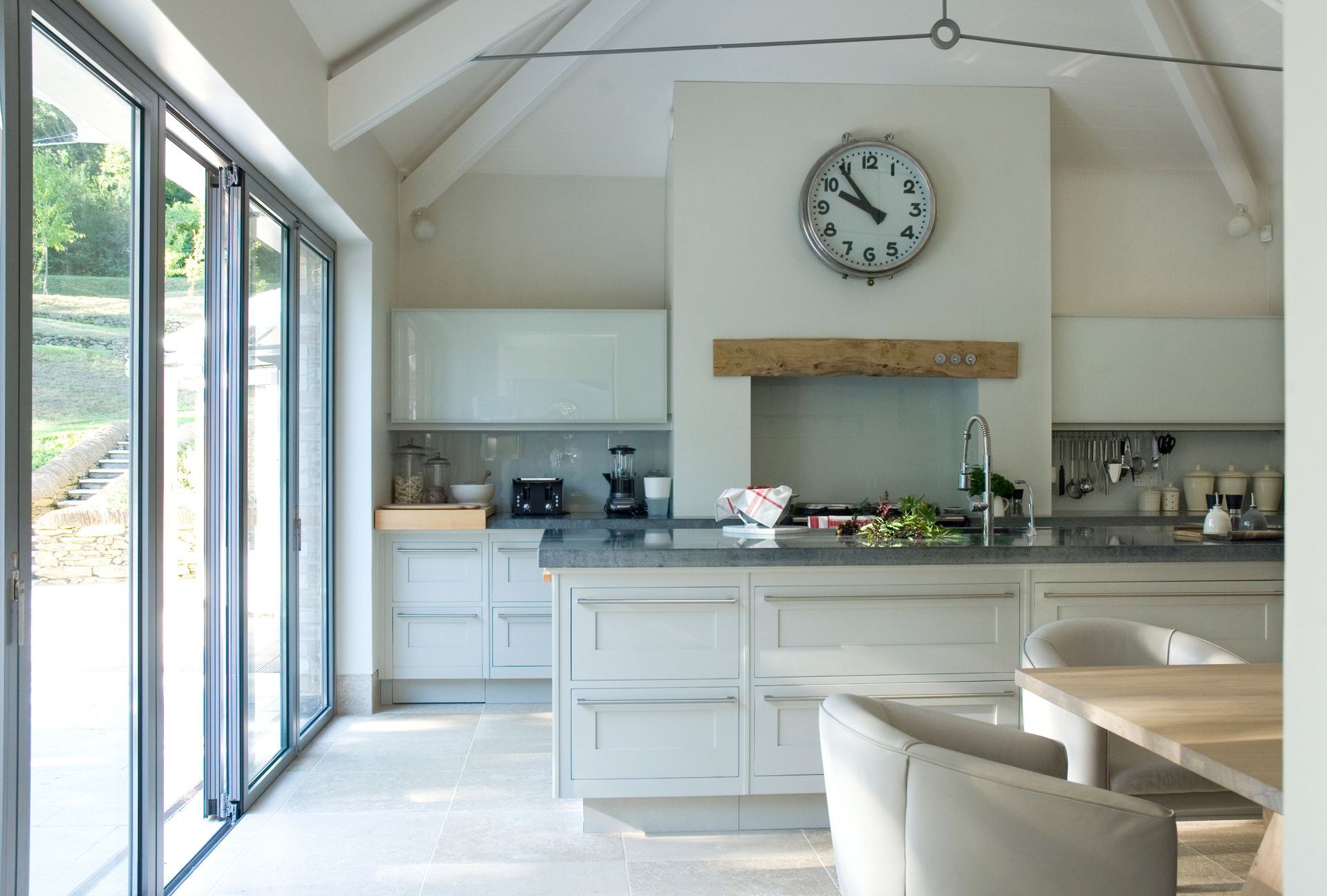
Sliding doors are built to maximize daylight entry in your spaces. Their expansive glass panels allow more natural light to flood in compared to traditional doors. This increase in daylight not only reduces the need for artificial lighting but also enhances the interior ambiance. Furthermore, the natural light can create a warm and inviting atmosphere, making spaces feel larger and more open. Maximizing daylight is crucial in regions with shorter daylight hours, providing a pivotal role in maintaining daily circadian rhythms.
Using Clear or Frosted Glass Panels
The choice between clear and frosted glass panels can significantly impact both light and privacy. Clear glass provides unobstructed views and allows maximum light penetration. On the other hand, frosted glass diffuses light, creating a softer glow while offering increased privacy. This flexibility allows homeowners to customize their sliding doors based on the specific needs and ambiance of their space. The ability to blend functionality with aesthetic considerations is one of the sliding door's most valued attributes.
Creating Seamless Indoor-Outdoor Transitions
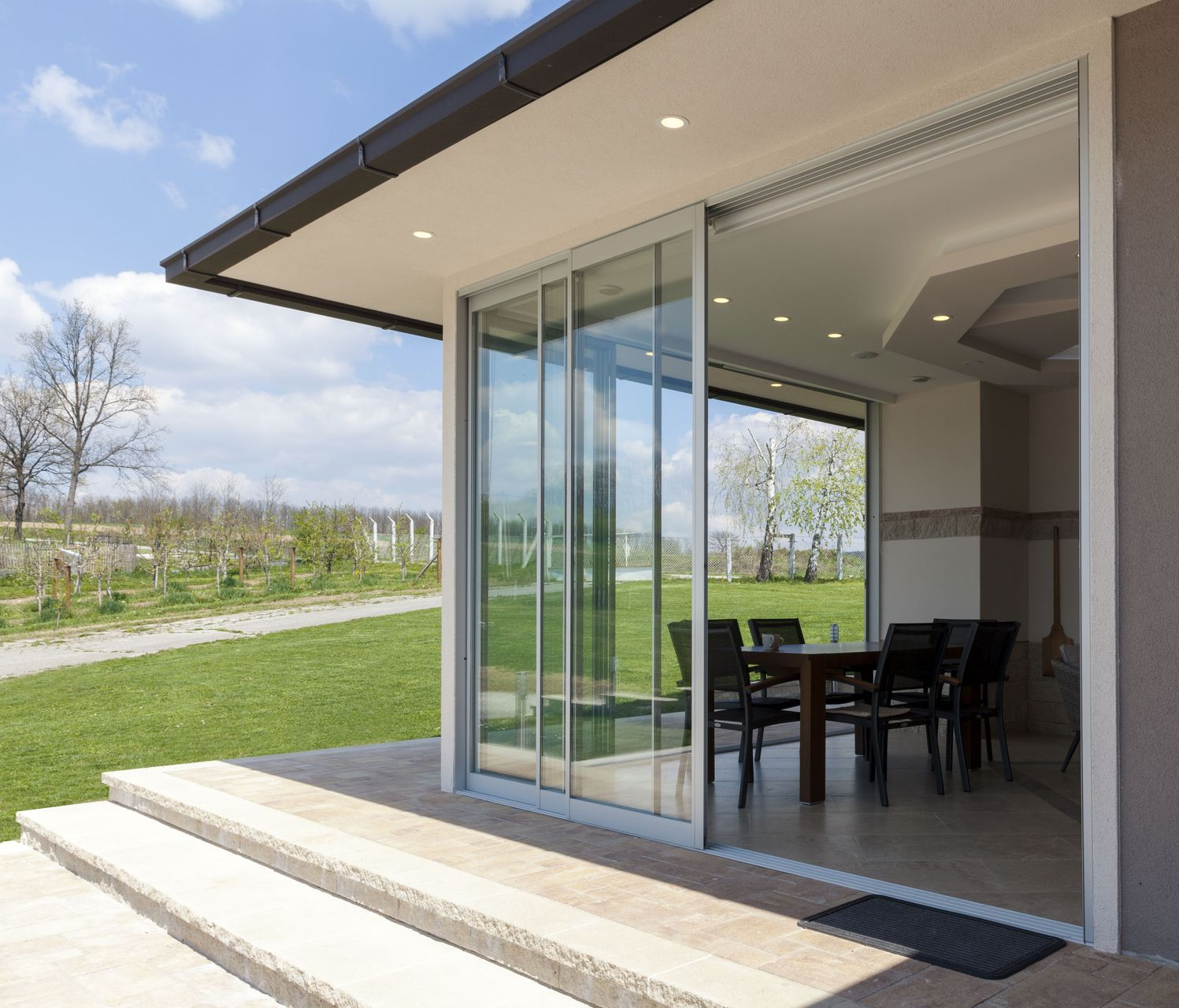
Sliding doors facilitate seamless transitions between indoor and outdoor spaces, enhancing the connection with nature. This feature is particularly advantageous in locations with scenic views or lush garden surroundings. By blurring the lines between the interior and exterior, sliding doors extend residential living areas into nature. Moreover, they allow hosts to create flexible entertainment spaces that can expand or contract based on need. Such transitions can redefine lifestyle experiences, merging everyday life with the beauty of the outdoors.
Impact on Mood and Health
The abundance of natural light ushered in by sliding doors has notable psychological benefits. Exposure to daylight is linked to improved mood, reduced stress, and better sleep patterns. Natural lighting is not only uplifting but also essential for vitamin D synthesis. These health benefits underscore the sliding door's value beyond aesthetic and functional enhancements. Living and working in environments enriched by daylight can profoundly influence well-being.
Integrating Smart Glass Technology
Smart glass technology offers dynamic light control, making sliding doors a cutting-edge architectural choice. This technology allows for the adjustment of tint levels, providing optimal light control while maintaining energy efficiency. The integration of smart glass can regulate indoor temperatures, reducing the need for air conditioning. This innovation aligns with sustainable building practices, offering long-term ecological and financial benefits. Smart glass integration empowers users to create spaces that are responsive to changing environmental conditions.
Optimizing Space Usage
Eliminating the Need for Door Clearance
Unlike traditional doors, sliding doors do not require space for opening and closing arcs. This characteristic is particularly advantageous in smaller rooms, allowing furniture to be placed closer to the walls. By eliminating the need for clearances, sliding doors optimize every square foot of an area. This increased usability of space can dramatically improve the layout and usability of compact or uniquely shaped rooms. Their streamlined mechanism supports minimalistic and functional interior designs.
Facilitating Flexible Room Dividers
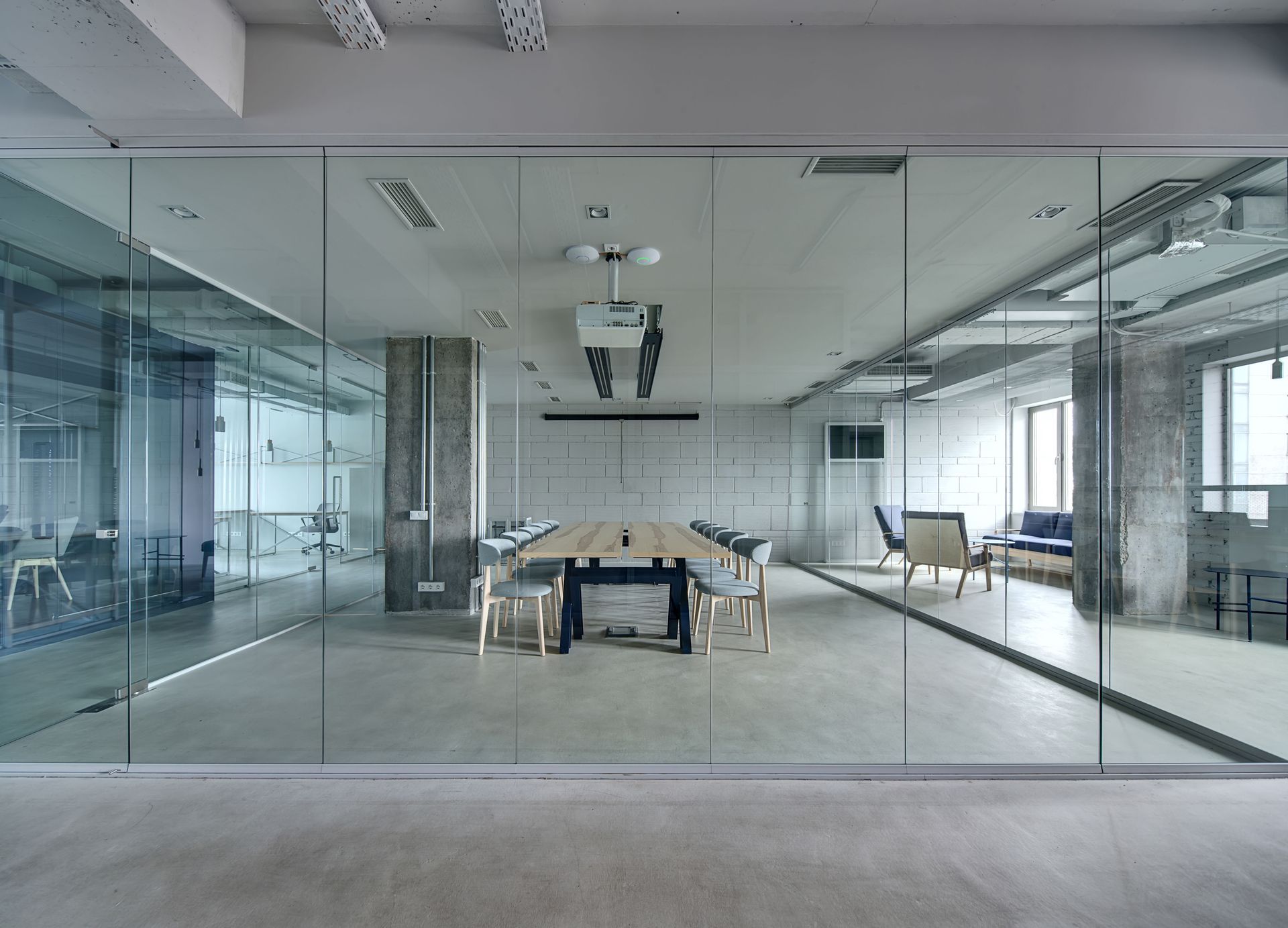
Sliding doors can effectively act as room dividers, creating flexible spaces within homes and offices. This adaptability allows areas to be partitioned based on changing needs, such as privacy or group activities. The ease with which sliding doors can transform spaces makes them ideal for homes embracing flexible and open-plan living concepts. They also offer acoustic privacy, which can be crucial in homes or buildings with shared spaces. Such flexibility supports a dynamic use of interior environments according to individual preferences.
Incorporating Built-In Storage Options
Modern sliding doors can be designed with integrated storage solutions, enhancing their space-saving potential. These innovations include sliding bookshelves or hidden compartments, maximizing unused spaces effectively. By cleverly incorporating storage into sliding door systems, clutter can be minimized, and organization improved. This functional duality supports tidy and manageable living and working environments. With creative design, sliding doors elevate the balance between aesthetics and practicality.
Enabling Open-Plan Living
Sliding doors align seamlessly with open-plan living trends, facilitating versatile and expansive interior layouts. The ability to open or partition spaces according to occasion enhances both conviviality and privacy as needed. This flexibility transforms a single area into multifunctional zones, maximizing the use of each space. Open-plan concepts benefit from the addition of sliding doors, which can redefine how interior spaces are used and perceived. Their usage becomes an architectural asset, enhancing visual flow and connectivity.
Utilizing Corners and Narrow Passageways
Sliding doors are exceptionally useful in optimizing narrow passageways and corners, promoting efficient use of layout. They allow for smooth, unobtrusive movement through tight spaces without compromising accessibility. Sliding door installations can strategically enhance traffic flow in areas that would otherwise be underutilized. Their ability to fit into unconventional spaces is a forte that makes them a preferred option in versatile architectural settings. This adaptability supports the comprehensive utilization of awkward or non-linear spaces.
Boosting Accessibility
Enhancing Mobility for All Users
Sliding doors can be engineered for effortless mobility, ensuring enhanced accessibility for all users. Their mechanisms can be crafted to cater to individuals with varying mobility levels, such as the elderly or differently-abled. By offering minimal resistance during operation, sliding doors facilitate ease of movement throughout spaces. This feature promotes inclusiveness and comfort, ensuring that all spaces are welcoming. The design prioritizes human-centric accessibility, breaking down barriers imposed by traditional door mechanisms.
Designing Wide Entrance Options
Wide entrance options afforded by sliding doors play a crucial role in fostering accessibility. This design facilitates smooth passage for wheelchairs, strollers, and other mobility aids. By offering enlarged entrances, sliding doors support barrier-free access in residential and commercial structures. Such thoughtful engineering can accommodate higher volumes of traffic flow during peak times or gatherings. The design aesthetics combine with pragmatic needs, creating spaces that are not only beautiful but inclusive.
Supporting Universal Design Principles
Sliding doors are often aligned with universal design principles, ensuring usability for the widest range of people. Their considered architecture embodies inclusivity, striving to bridge accessibility gaps often faced in built environments. By supporting universal design, sliding doors enhance human interaction with spaces, providing autonomy and ease of use. These principles are consistent with modern architectural goals, promoting equitable and sustainable living spaces. Sliding doors, therefore, serve as vital components in universal design implementations.
Reducing Physical Barriers
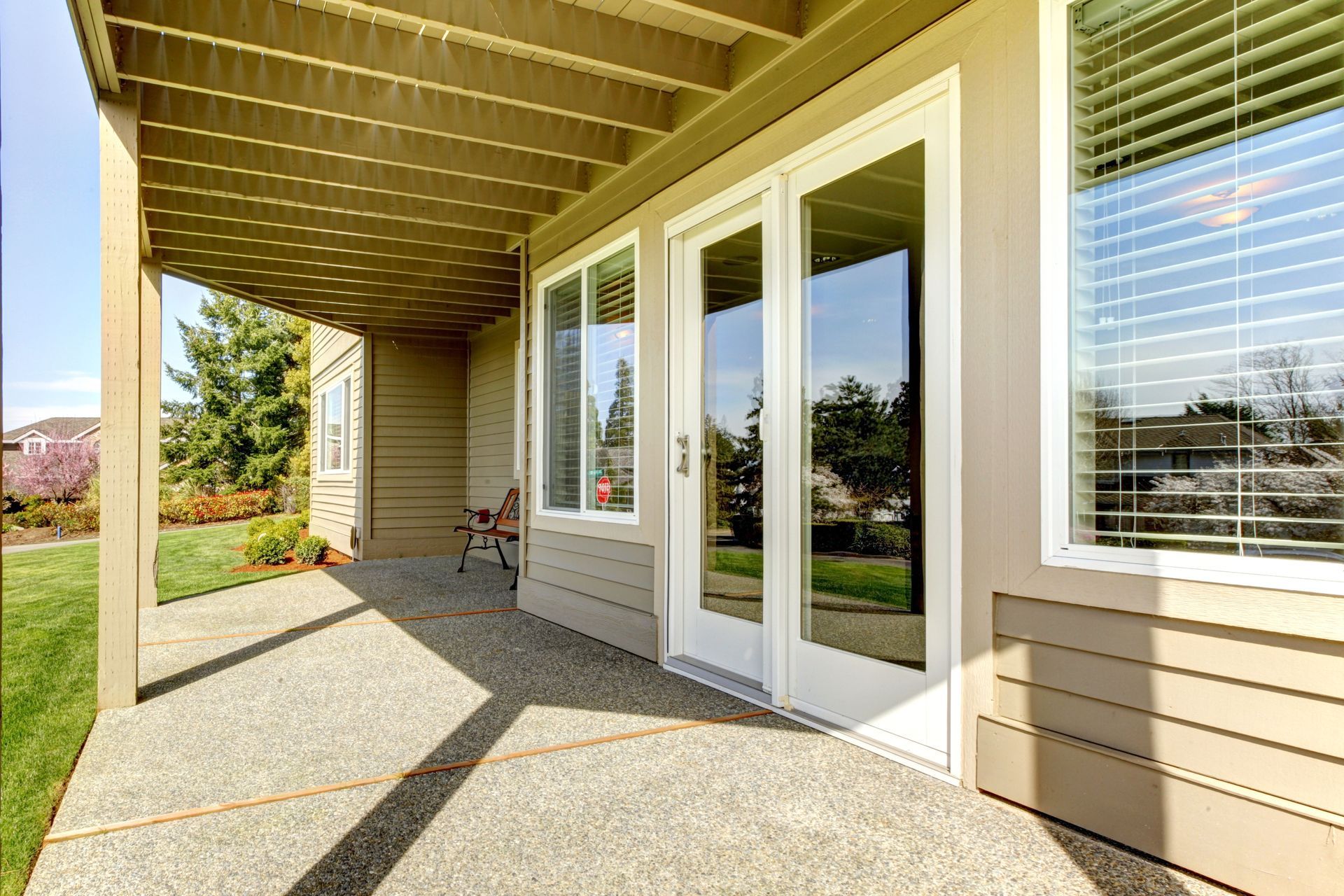
The installation of sliding doors can significantly reduce physical barriers, improving the flow and accessibility of spaces. Unlike conventional doors, sliding options do not have thresholds to step over, minimizing tripping hazards. The flat track installations support smooth transitions between rooms, aiding those with limited mobility or uses of assistive devices. By minimizing physical barriers, sliding doors promote a seamless continuum between linked areas. This optimized mobility aligns with the broader goals of accessibility enhancements.
Facilitating Transition Between Levels
The seamless installation capabilities of sliding doors assist in bridging transitions between levels within buildings. For multi-level spaces, they function as connectors that support fluid movement, reducing fatigue and disruption. Sliding doors are particularly useful in linking decks, patios, or multi-story buildings without disrupting architectural flow. Their diverse configurations provide a strategic advantage in creating tiered living spaces. These characteristics enable them to support accessibility in dynamic and multi-dimensional environments.
Sliding doors provide a multitude of benefits that significantly enhance the quality and functionality of any space. From improving natural light and saving space to promoting accessibility and energy efficiency, they are an ideal choice for modern architecture. Furthermore, their ability to integrate with smart home technology makes them a forward-thinking solution perfect for the future of building design. In essence, sliding doors are not just architectural elements but transformative features that redefine living and working spaces. Their adaptability and innovation make them an essential component of sustainable and modern construction practices. Be sure to reach out to Phoenix Folding Door Co today for more information on our professional sliding doors!