October 9, 2026
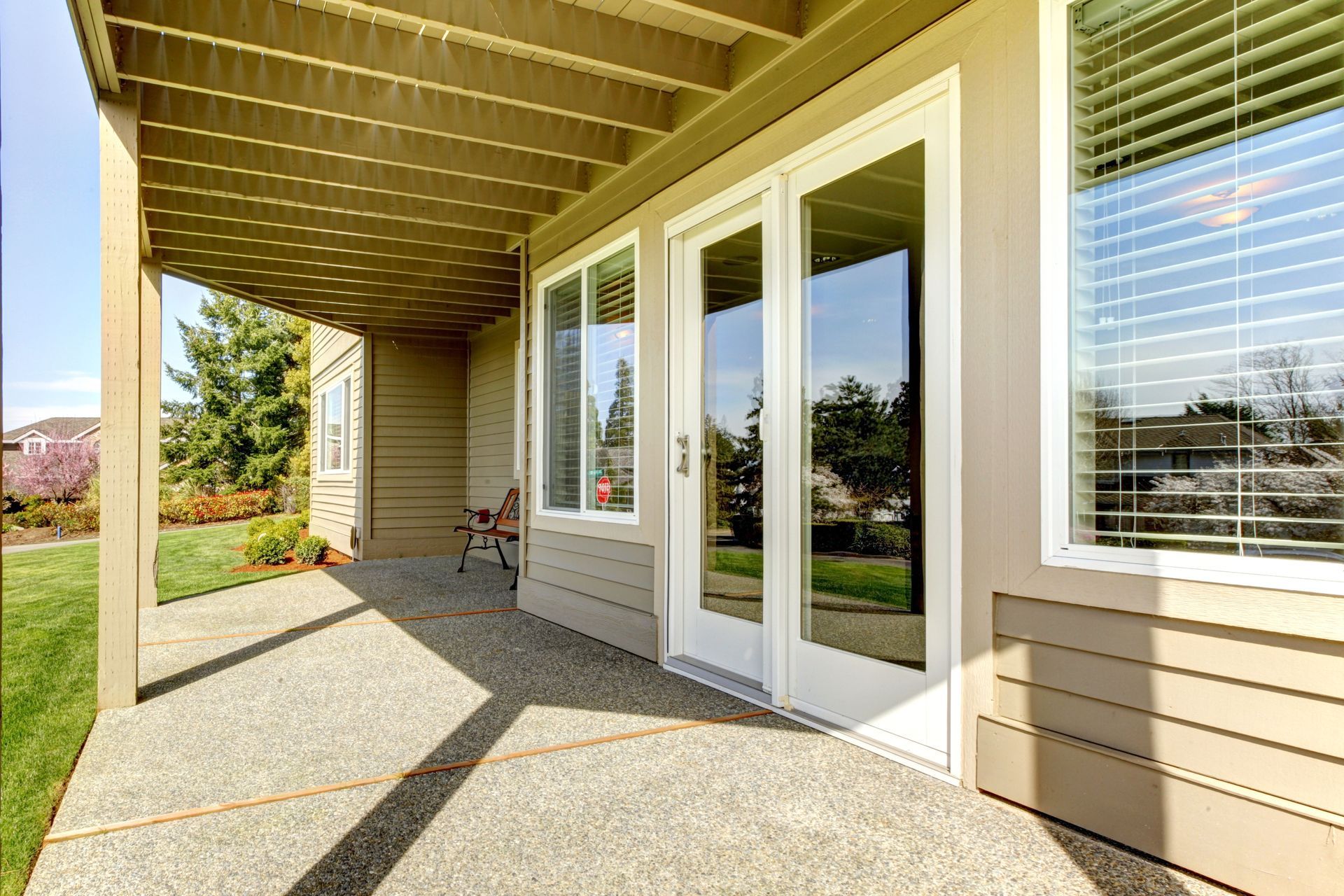
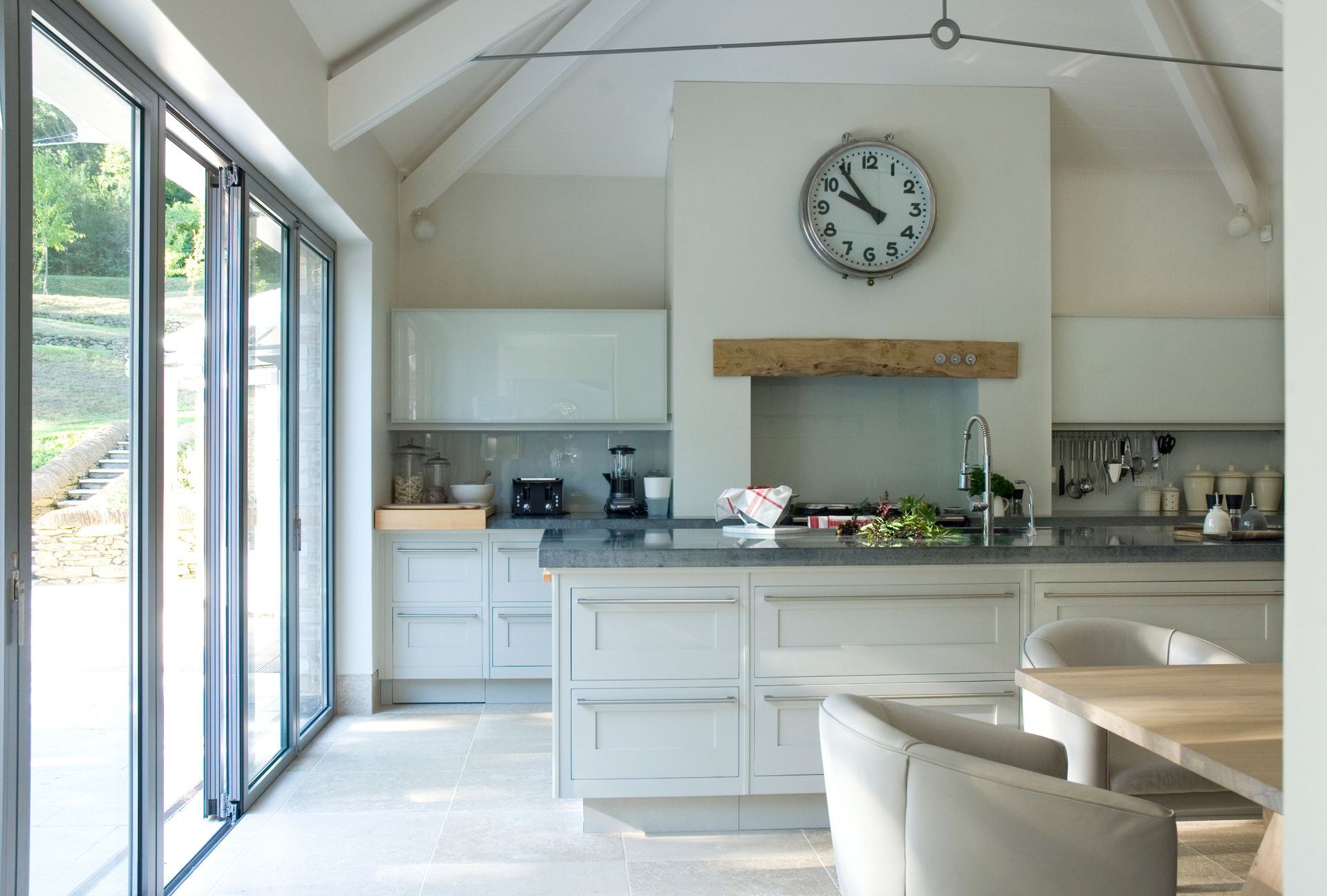
Sliding patio doors have become a beloved feature in modern homes across the globe. This article delves into their growing popularity, exploring how they enhance aesthetic appeal, functionality, and sustainability. As we journey through various aspects of this trend, we will discover why more people are opting for sliding doors to connect their indoor and outdoor spaces.
Origins and Inception
The concept of sliding doors dates back to ancient civilizations, where rudimentary forms were evident in early architectural structures. Over the centuries, these doors have transitioned from basic wooden panels to refined design elements. In the 20th century, the modern sliding patio door began to emerge, adapting to the changing tastes and needs of homeowners. Its roots can be traced back to Japan, where shoji, a traditional sliding door, was commonly used. This cultural adaptation reveals the universal appeal and timeless application of sliding mechanisms in door design.
The introduction of glass in sliding patio doors marked a significant turning point, transforming the functionality and aesthetic appeal. Initially, glass was a luxury, reserved for those who could afford it; however, innovations in production and cost reduction made it accessible to a broader population. This advancement allowed homeowners to invite natural light into their spaces, a feature that has become integral to the essence of sliding patio doors. With this transition, sliding patio doors transcended their utilitarian origins to become symbols of openness and connectivity with nature. Over time, these factors contributed to the sliding door's integration into mainstream architecture.
Throughout the decades, sliding patio doors have embedded themselves deeply into global architectural vernacular. They have flourished in coastal regions where scenic views are hallmarks of property appeal, underscoring their role in visual aesthetics. Furthermore, the resurgence of mid-century modern design in the late 20th and early 21st centuries has brought renewed attention to these features. Global architectural trends continually influence the evolution of these doors, ensuring their place both in contemporary settings and retro-inspired homes. As our world becomes more interconnected, sliding doors have managed to bridge diverse cultural frameworks through shared appreciation for light and openness.
Design Changes Over the Decades
Design evolution has been key to the enduring popularity of sliding patio doors. The 1960s and 1970s heralded the rise of aluminum frames, offering stronger support and sleeker designs compared to wood. This era was marked by bold experiments in architectural styles that influenced the aesthetics of patio doors. The ability to manufacture larger glass panels without sacrificing strength allowed architects to push design boundaries by creating expansive glass walls that doubled as doors. Such innovations laid the groundwork for future designs that have continued to capitalize on the available materials and manufacturing techniques.
In the late 20th century, the demand for energy-efficient solutions drove further enhancements in sliding door fabrication. Double-glazing technology became more common, providing improved insulation and reducing energy usage, a response to growing ecological consciousness. Designers also started incorporating ergonomic and user-friendly features, such as smooth-glide tracks and robust security locking systems. The emphasis on functionality did not overshadow aesthetics, however, as customization options flourished, enabling homeowners to select from a more extensive palette of materials and finishes to match specific styles. These shifts demonstrate an industry adapting to evolving consumer needs without losing sight of design principles.
Entering the 21st century, sliding patio doors found renewed emphasis on the integration of modern technologies. Home automation systems and smart home technology infiltrated the residential market, prompted by increasing tech-savviness and convenience-oriented lifestyles. Sliding doors are no exception; they now come equipped with electronically controlled locking mechanisms and remote operation features. Such advancements signify a marriage between form and function, where historic elements of design blend seamlessly with modern technological capabilities. In doing so, sliding patio doors are not just an architectural feature but a pivotal component of a smarter living environment.
Breaking into Mainstream Architecture
The allure of sliding patio doors grew substantially when they became symbolic of modern living and a harmonious coexistence with nature. Their integration into mainstream architecture was emblematic of a broader movement toward open-plan living, characterized by fluid transitions between indoor and outdoor spaces. They appealed to a demographic that values openness and the flexibility to adapt living spaces for functionality. As such, sliding doors represented not just a literal opening, but a metaphorical embrace of light, air, and space. The decision to incorporate these doors was also influenced by the emphasis on sustainable building practices, emphasizing natural light as a means to reduce electrical consumption.
Architects and builders soon realized the importance of sliding patio doors in enhancing property value. Properties with features facilitating picturesque views or seamless outdoor integration have stimulated premium prices in real estate markets worldwide. The advantage of showcasing a home with enviable connections to its natural surroundings serves the dual-purpose of selling both a home and a lifestyle. As younger generations enter the housing market, their preference for such lifestyle amenities heavily influences architectural elements incorporated into building designs. Sliding patio doors effectively respond to these consumer priorities, further entrenching their popularity.
More recently, the pandemic era accelerated demand for increased residential functionality and luxury, making sliding patio doors more appealing than ever. With indoor spaces doubling as work environments, the extension of living areas into balconies, terraces, and gardens became a valued asset. Consumers sought sanctuaries characterized by peace, light, and connectivity to the outside, reinforcing the strategic importance of sliding patio doors in home design. Due to their ability to blur interior and exterior boundaries seamlessly, these doors emerged as vital components of contemporary architecture that address the multifaceted needs of modern living.
The Role of Technology in Evolution
Technology has been a quintessential driver in the evolution of sliding patio doors, advancing both aesthetic and functional dimensions. Innovations in glass technology, such as the development of low-emissivity (Low-E) coatings, have maximized energy efficiency while minimizing heat loss. This is particularly important as ecological concerns become a top priority for consumers and manufacturers alike. Technological advances in materials science have allowed for lighter, yet stronger, structural components used in the frames, enhancing both safety and aesthetic appeal.
Moving from basic operating mechanisms to electronic enhancements, technology's influence on sliding patio doors is profound. Smart home integration now features prominently, allowing users to control their doors using mobile apps or voice commands. The ability to incorporate security measures, such as video surveillance and remote locking systems, has addressed many apprehensions regarding sliding doors' security vulnerabilities. This integration of cutting-edge technology into sliding patio doors significantly elevates the user experience while responding to contemporary lifestyle demands.
According to Allied Market Research, the global patio door market size is projected to reach $59.3 billion by 2032, propelled mainly by advancements in technology. These advancements, alongside evolving consumer preferences for smart home features and eco-friendly structures, position sliding patio doors at the forefront of architectural innovation. The growing market affirms the potential of sliding patio doors to become staples not just in luxury homes but in a variety of residential and commercial contexts.
From ancient wooden origins to modern smart homes, sliding patio doors have evolved into an architectural staple. Blending aesthetic elegance, energy efficiency, and cutting-edge technology, they seamlessly bridge indoor and outdoor living. Today, these versatile doors represent a harmonious balance of style, sustainability, and connectivity in contemporary residential design. Call Phoenix Folding Door Co today for sliding doors for your patio.