January 13, 2026
The home improvement market in the United States is experiencing remarkable growth, driven by homeowners' increasing interest in upgrades that combine style, functionality, and efficiency. Among the most popular choices in modern home design are custom sliding doors, which provide versatile solutions for both interior and exterior spaces. With evolving preferences for personalization, energy efficiency, and technology integration, sliding doors have become a practical and visually appealing way to enhance any home.
Sliding doors provide an immediate aesthetic transformation to any home. Unlike traditional hinged doors, sliding doors create a sense of openness, connecting rooms seamlessly or providing unobstructed access to outdoor areas. Homeowners increasingly opt for custom sliding doors to complement contemporary architectural styles, from minimalist modern designs to mid-century and farmhouse-inspired homes. With the ability to select materials, finishes, and glass types, homeowners can align doors with their overall design vision, creating a unique focal point that enhances property appeal. Beyond aesthetics, sliding doors are recognized for maximizing natural light, offering expansive views, and making smaller spaces feel larger—benefits that standard doors cannot match.
The Energy Efficiency of Sliding Doors
Energy efficiency is another compelling reason homeowners choose sliding doors. Modern custom sliding doors often feature insulated frames, double- or triple-pane glass, and advanced weather stripping, all designed to reduce energy loss. In addition to lowering heating and cooling costs, these energy-efficient doors maintain more consistent indoor temperatures, contributing to comfort throughout the year. Environmentally conscious consumers appreciate that these upgrades reduce energy consumption, aligning with broader sustainability goals while simultaneously enhancing home value.
The Security Advantages of Sliding Doors
Security is a top priority in today's home design, and sliding doors are no exception. Advanced custom sliding doors now come with integrated locking mechanisms, reinforced frames, and shatter-resistant glass, offering high levels of protection without sacrificing style. Many models are compatible with smart home systems, allowing homeowners to monitor and control door security remotely through mobile devices. This integration of safety and technology provides peace of mind while accommodating the growing demand for connected, automated homes.
The Space-Saving Design of Sliding Doors
Another advantage of sliding doors is their space efficiency. Unlike swinging doors, sliding doors move along a track and do not require additional clearance, making them ideal for tight spaces or areas where traditional doors would impede movement. Kitchens, living rooms, and closets can benefit from this feature, as sliding doors allow for flexible furniture arrangement and unobstructed traffic flow. This functional benefit, combined with the ability to personalize dimensions and materials through custom sliding doors, ensures that homeowners can tailor solutions to their unique spatial needs.
The Indoor-Outdoor Benefits of Sliding Doors
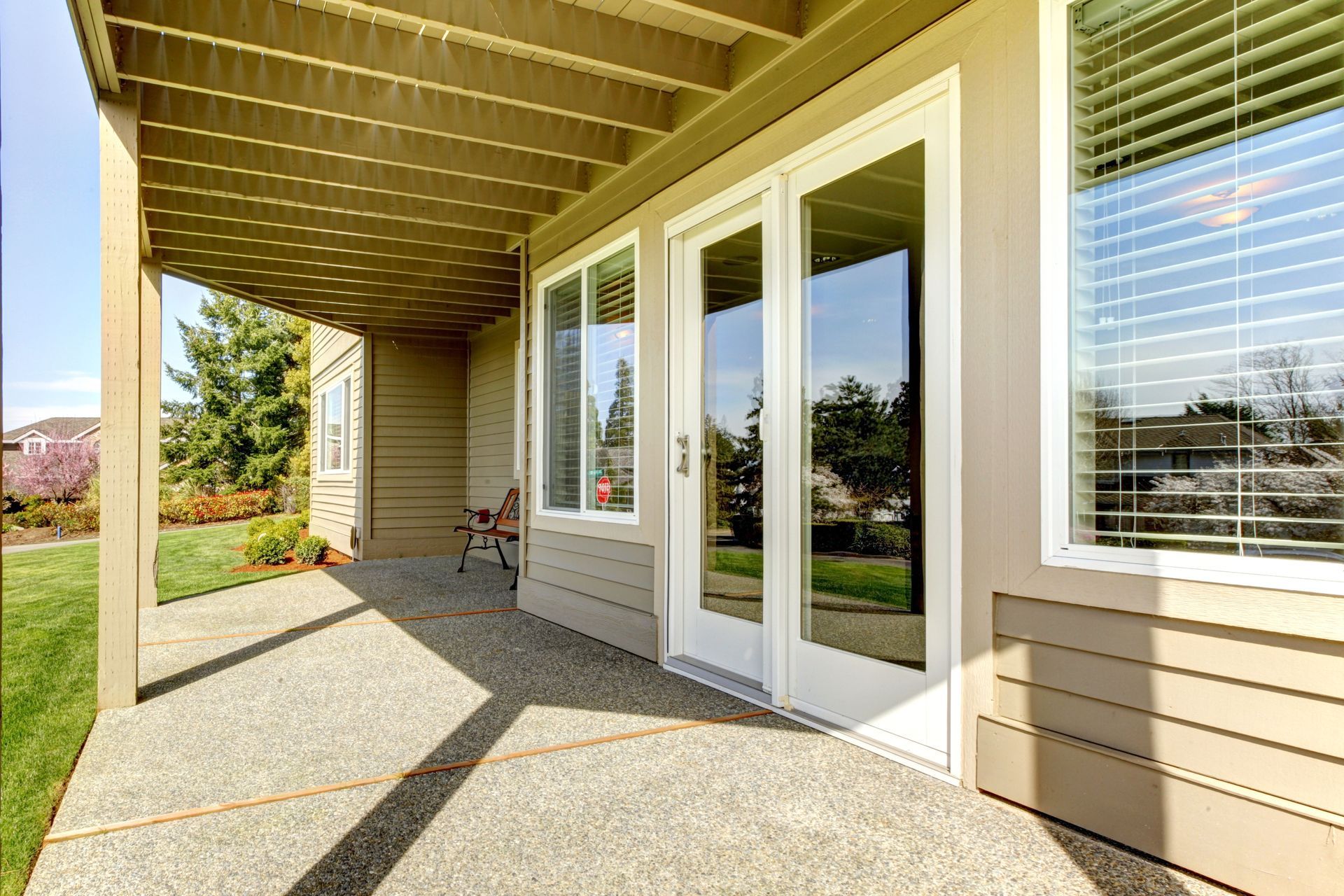
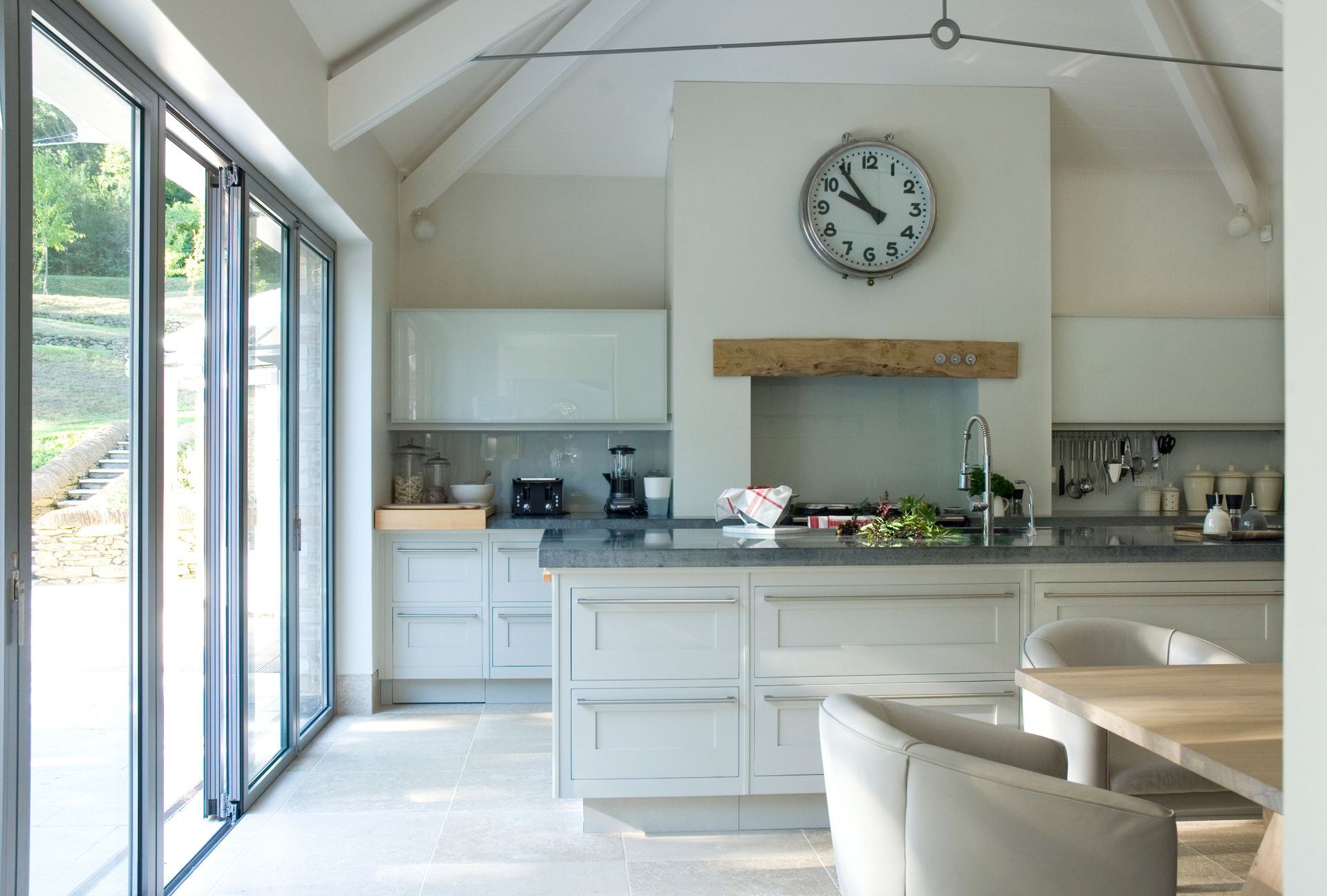
The versatility of sliding doors extends to indoor-outdoor living experiences. Patio or deck sliding doors can create a smooth transition between interior and exterior spaces, enhancing entertaining potential and increasing a home's usable living area. Large glass panels invite sunlight into living areas, creating a bright, welcoming environment that fosters a connection to nature. These doors also allow homeowners to control ventilation and airflow efficiently, contributing to comfort and reducing reliance on artificial climate control.
The Customization Options of Sliding Doors
Customization plays a key role in the growing popularity of sliding doors. Homeowners no longer need to compromise on design or functionality, as manufacturers offer extensive options for materials, finishes, hardware, and glass types. Frosted, tinted, or decorative glass can provide privacy while maintaining style, while aluminum, wood, or composite frames allow for a balance between durability and aesthetics. By choosing custom sliding doors, homeowners gain a tailored solution that complements both the interior design and exterior architecture of their homes.
The Market Trends Driving Sliding Doors
The market for sliding doors is influenced by broader trends in the home improvement sector. The U.S. windows and doors industry is thriving, driven by rising disposable income, increased home remodeling, and a focus on home personalization. Homeowners prioritize both the aesthetic and practical advantages of custom sliding doors, contributing to the sector's rapid growth. Furthermore, the post-pandemic emphasis on functional, flexible living spaces has reinforced the value of doors that can connect or separate rooms as needed.
The Long-Term Value of Sliding Doors
In addition to aesthetic, energy, and functional benefits, sliding doors offer significant long-term value for homeowners. Enhanced curb appeal and improved home flow can increase property attractiveness to potential buyers, making spaces feel more open, inviting, and thoughtfully designed. Well-designed custom sliding doors demonstrate attention to detail and an investment in quality, signaling that the home has been maintained with care and upgraded with intention. These doors not only elevate the overall look of a home but also contribute to a sense of comfort and sophistication in everyday living. By seamlessly combining style, functionality, and durability, such upgrades enhance both the immediate enjoyment of the space and its long-term property value.
The Technological Evolution of Sliding Doors
The technological evolution of sliding doors further contributes to their appeal. Advanced materials such as high-grade aluminum, engineered wood, and composites increase durability, while automated systems allow for smooth operation and smart home compatibility. Homeowners can integrate sliding doors with climate control, lighting, and security systems for convenience and efficiency. Emerging technologies, including AI-driven design tools and 3D-printed components, are poised to expand customization possibilities even further, allowing homeowners to create doors that are as functional as they are beautiful.
The Regional Adaptability of Sliding Doors
Regional variations in design preferences also highlight the flexibility of sliding doors. Coastal areas may favor wide glass panels to capture scenic views and natural light, while northern climates may prioritize insulated, weather-resistant doors that withstand harsher conditions. Interior sliding doors offer similar adaptability, fitting seamlessly into minimalist, traditional, or eclectic décor schemes. With custom sliding doors, homeowners can achieve the perfect balance of style, comfort, and practicality, regardless of geographic location.
In addition to climate considerations, cultural and architectural influences play a significant role in how sliding doors are designed and installed. For example, homes in the Southwest may feature sliding doors with earthy tones and textures that complement adobe-style architecture, while homes in the Northeast might favor classic paneling or wood finishes that align with historic design traditions. This regional customization allows homeowners to select custom sliding doors that feel native to their environment while still providing modern functionality.
Lifestyle preferences and room usage also guide regional design choices. In urban areas where space is limited, homeowners often opt for interior sliding doors to maximize floor area and maintain open layouts. Conversely, suburban or rural properties may prioritize expansive patio or deck sliding doors to create seamless connections to outdoor living spaces. By considering both environmental and lifestyle factors, custom sliding doors can be tailored to meet practical needs while enhancing the overall aesthetic appeal of a home.
Custom sliding doors offer unmatched advantages for homeowners, combining style, functionality, energy efficiency, and long-term value. Whether improving natural light, connecting indoor and outdoor spaces, or enhancing security, these doors are a smart investment for any home. According to a study by P and S Intelligence, the U.S. windows and doors market reached 25.9 billion U.S. dollars in 2024, reflecting growing homeowner demand for upgrades like sliding doors. To transform your home with both elegance and practicality, explore
custom sliding doors that meet your aesthetic vision and functional needs today at Phoenix Folding Door Co.